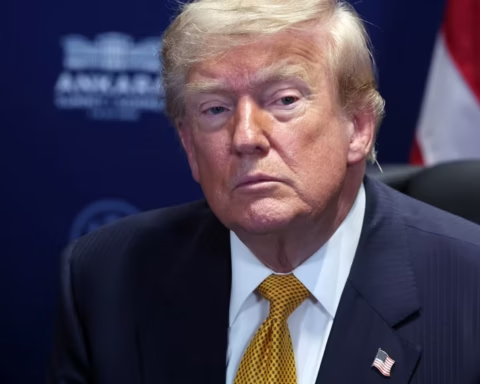


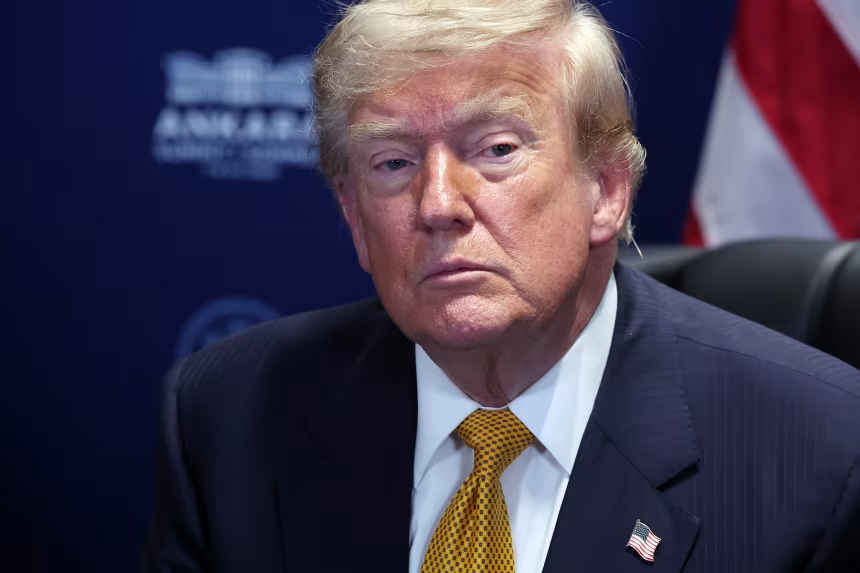
The fragile period of stability following President Donald Trump’s peace agreement with Iran appears to be fading, raising fresh concerns about global energy security and economic stability. After describing the peace arrangement as effectively “over,” Trump has reignited fears that renewed conflict in the Middle East could once again disrupt one of the world’s most critical oil supply routes.
The June 18 Memorandum of Understanding between the United States and Iran initially brought a sense of relief to global markets. Oil prices declined rapidly, dropping below pre-conflict levels as shipping activity gradually resumed through the Strait of Hormuz. The easing of tensions also helped lower gasoline prices and restored confidence among investors who believed the region was moving toward greater stability.
However, the recovery proved to be short-lived. While oil shipments resumed, the three-week window of relative peace was not enough to fully restore global supply chains or replenish emergency oil reserves that had been heavily relied upon during the crisis. Analysts note that energy markets remain vulnerable, with inventories still well below comfortable levels.
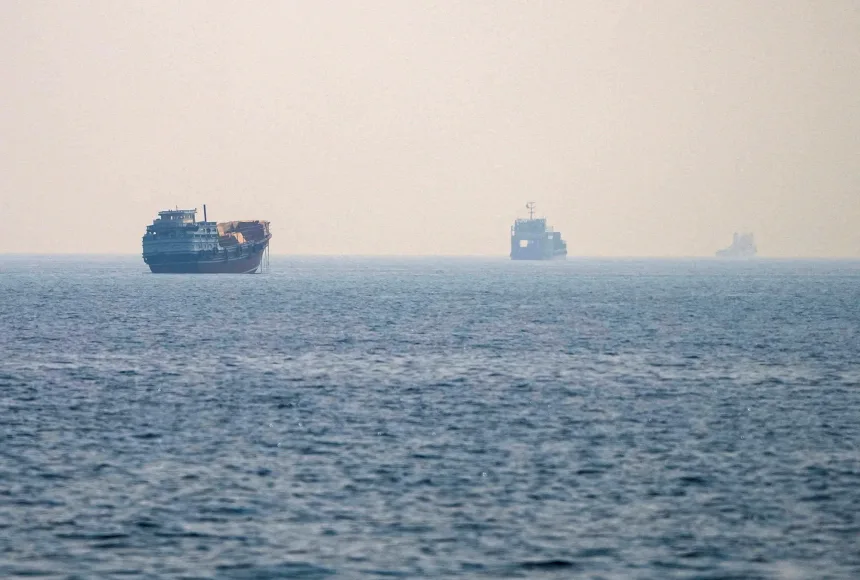
The Strait of Hormuz continues to play a pivotal role in the global oil trade, serving as the gateway for a significant share of the world’s crude exports. Although the passage remains open, heightened military risks have dramatically increased shipping costs. Tankers operating within the Gulf now face substantially higher insurance premiums and transportation expenses, reflecting the growing uncertainty surrounding the region.
Despite these challenges, oil continues to flow through the strait, though at a much slower pace than normal. Energy traders have responded cautiously, pushing Brent crude prices higher while monitoring the possibility of additional military escalation or new restrictions that could interrupt supplies once again.
The situation is particularly concerning for the United States. America’s Strategic Petroleum Reserve has been significantly reduced following months of emergency releases aimed at stabilizing domestic fuel supplies. At the same time, commercial crude inventories remain relatively low, limiting the country’s ability to absorb another prolonged disruption in global oil markets.
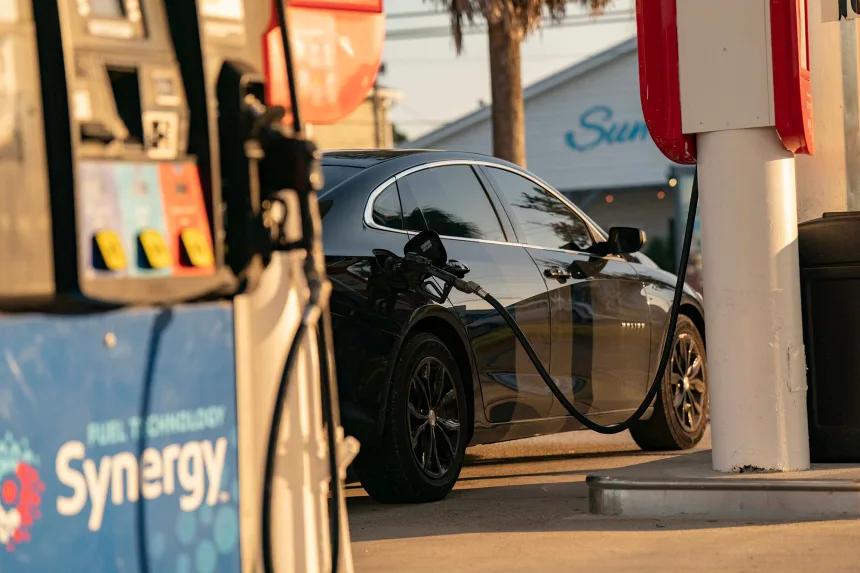
Industry experts warn that another closure of the Strait of Hormuz could trigger higher fuel prices, increased inflationary pressure, and broader economic challenges for consumers and businesses alike. Rising transportation costs would likely ripple across global supply chains, affecting everything from manufacturing to retail prices.
Financial markets are already reflecting these concerns. Treasury yields have climbed as investors reassess inflation risks and the potential economic impact of renewed geopolitical instability. Equity markets have remained relatively cautious, while energy prices continue to respond to every development in the region.
Whether the current escalation proves temporary or evolves into a broader conflict remains uncertain. What is clear is that the stability of global energy markets once again depends heavily on developments in the Middle East. As policymakers, investors, and businesses closely monitor the situation, the future of oil supplies—and the broader global economy—may hinge on whether diplomacy can prevent another major disruption in one of the world’s most strategically important waterways.

- Dar Global Considers Dubai Real Estate Fund as Global Acquisition Plans Expand
- Sheikh Khaled Visits Canada to Strengthen Trade and Investment Ties
- Luxury Stocks Sink as LVMH, Kering and Hermès Face Mounting Sales Pressure
- Apple’s $1,999 iPhone Duo Wins Over Reviewers, but Early Screen Cracks Raise Concerns