
Veteran Singer-Songwriter Reclaims His Place in Music with a Soulful New Single, an Extraordinary Artistic Journey, and the Forthcoming Album Welcome To Studio B
A Long-Awaited Musical Homecoming
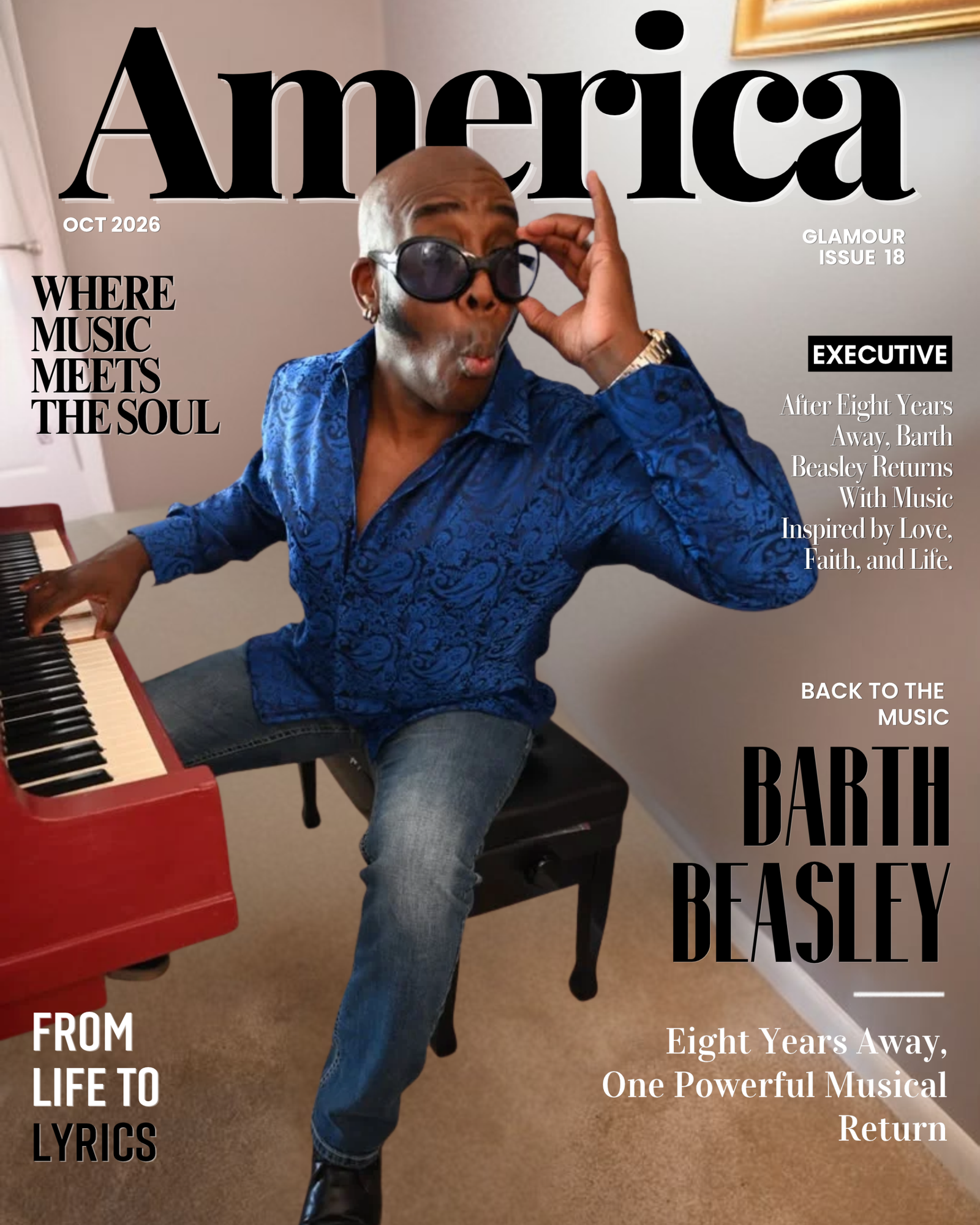
After eight years away from releasing new music, veteran singer-songwriter Barth Beasley is returning with “I Used To Be,” a heartfelt single that introduces his forthcoming 15-song album, Welcome To Studio B. Scheduled for release on August 28, 2026, the track marks a significant new chapter for an artist whose musical identity has been shaped by faith, family, perseverance, and a lifelong commitment to storytelling.
Known for his distinctive “Rock-n-Soul Pop” sound, Beasley brings together influences from rock, soul, pop, gospel, and classical music. His latest single reflects that genre-crossing sensibility while exploring a timeless emotional theme: two lifelong friends discovering that their connection has always been something deeper.
“I Used To Be” is more than a return to recording. It introduces listeners to an artist revisiting his musical roots with renewed purpose, drawing on the experiences that have shaped his life and creative voice.
A Song About Friendship Becoming Love
At the heart of “I Used To Be” is a story of emotional discovery. Two friends who have long viewed their relationship as platonic gradually recognize the love that has existed between them all along. Through music and shared experiences, what once seemed familiar becomes impossible to ignore.
For Beasley, the song captures the moment when connection evolves into something undeniable.
The single reflects his enduring interest in the human experiences behind a melody. Rather than relying solely on musical style, he places narrative and emotional authenticity at the center of his work, inviting listeners to recognize pieces of their own lives in the stories he tells.
With its accompanying music video, “I Used To Be” extends that narrative beyond the recording itself, bringing the relationship at the center of the song into visual form.
The Foundations of a Musical Life
Beasley’s relationship with music began in Battle Creek, Michigan, where his family, church, and early exposure to a wide range of musical traditions helped shape his artistic identity.
His father, a World War II veteran and physical therapist, played an important role in introducing him to music. The household soundtrack included Duke Ellington, Ray Charles, Elvis Presley, Marvin Gaye, Elton John, and classical composers. These diverse influences helped establish the creative foundation for the sound Beasley would eventually describe as “Rock-n-Soul Pop.”
His first memorable performance came at just four years old. While singing alone in the basement of Second Baptist Church, he was heard by members of the congregation, who invited him to perform two weeks later. It was an early indication of a talent that would continue to develop through years of musical study and live performance.
Beasley studied classical piano, explored percussion, brass, woodwinds, and orchestral instruments, and participated in choirs and marching bands. He performed as both a drummer and drum major, building an understanding of music that extended beyond singing. By seventh grade, he had begun writing songs, establishing songwriting as a central part of his creative life.
From Michigan to International Stages
A scholarship brought Beasley to Up with People, the international performance organization that gave him the opportunity to tour Europe and perform a featured solo during Super Bowl XVI. The experience expanded his world as a performer and introduced him to the discipline required to entertain audiences across cultures.
He later joined the cast at SeaWorld San Diego, where he performed five to seven shows daily for thousands of audience members. These demanding live-performance experiences strengthened his stage presence and ability to connect with audiences.
After studying dance at United States International University, Beasley moved to Los Angeles to pursue further opportunities in entertainment. His career developed across multiple disciplines, including one-man shows, international touring, and television appearances on The Keenan Ivory Wayans Show.
He also joined the Blue Spot Trio in Tom Hanks’ 1996 film That Thing You Do!—another chapter in a career that has moved between music, performance, film, and live entertainment.
Yet through these varied experiences, songwriting remained the constant. For Beasley, performance offered a way to connect with audiences, while songwriting provided a lasting means of expressing the stories, emotions, and ideas that mattered most to him.
International Recognition and Artistic Growth
Beasley’s career continued across international stages, with performances in Finland, Sweden, Russia, and Kazakhstan. His journey reached a notable milestone when he became the first American to win Voice of Asia, according to his career biography.
The recognition reflected the reach of his musical abilities beyond the United States and underscored the cross-cultural character of his artistry.
Following his return to the United States, Beasley worked with producers Steve Bruno and Chris Julian while continuing to write and perform. These collaborations formed part of an ongoing creative journey grounded in experience, experimentation, and a commitment to developing his own sound.
His musical identity has never been confined to a single genre or setting. Instead, it reflects the range of influences, places, and personal experiences that have informed his work over time.
A Personal Chapter Away from Music
In 2008, Beasley stepped away from music to focus on his family. Raising his children, caring for his mother, and grieving the loss of his father became priorities during a deeply personal period of his life.
The decision marked a pause in his public musical journey, but it did not erase the connection to songwriting that had been established in childhood. Music remained part of his identity, even as his attention shifted toward responsibilities beyond the stage and recording studio.
In 2016, an opportunity arrived when a former backup singer asked him to write four songs. Beasley accepted, reopening a creative chapter that had been quiet for years.
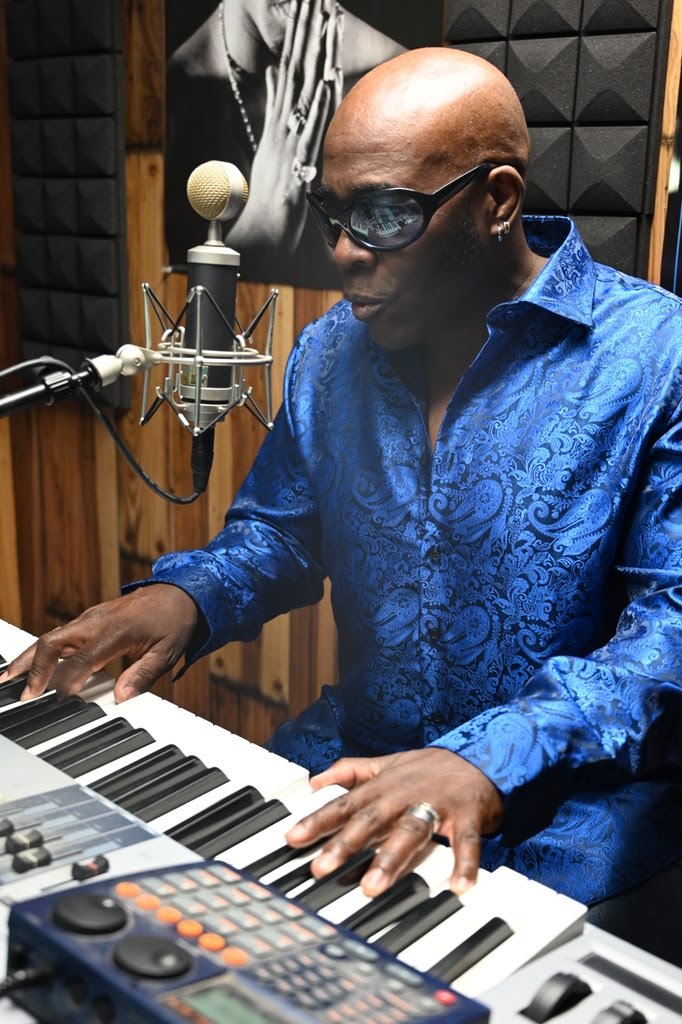
He reconnected with longtime vocal coach Karen Jennings and began recording the material that would ultimately become Welcome To Studio B. What began with a request to write a handful of songs developed into a larger project—one that brought together his musical experience, personal history, and renewed desire to create.
Welcome To Studio B: A New Chapter
For his musical return, Beasley worked with Allan Phillips, an Emmy Award-winning and Grammy-nominated producer, to help shape the sound of Welcome To Studio B.
The forthcoming album contains 15 songs inspired by his upbringing, relationships, disappointments, faith, and the experiences that have influenced both his personal life and professional journey. Together, these themes offer a portrait of an artist drawing from decades of observation, reflection, and creative development.
The album’s title suggests a return to a place of making and discovery—a space where lived experience becomes music. Its first single, “I Used To Be,” serves as an introduction to that world, pairing a relatable story with the distinctive musical identity Beasley has cultivated throughout his career.
After years away from releasing new material, he returns not simply to revisit the past, but to share what those years have taught him.
Music as Service and Connection
For Beasley, music carries a purpose that extends beyond personal recognition. His approach is rooted in the belief that songs can encourage, comfort, and connect people through experiences they may struggle to express themselves.
The forthcoming album reflects that outlook, drawing on the ways music has supported him throughout his own life. Through stories of love, faith, disappointment, and personal growth, he hopes to offer listeners the same sense of connection that music has given him.
“I’m a messenger,” he reflects. “I’m a servant.”
Those words provide a clear perspective on his return. Beasley views songwriting not only as a craft, but also as a means of communicating something meaningful to others. His work seeks to create space for reflection, recognition, and hope—qualities that have remained important across the different stages of his life.
The Next Chapter
With “I Used To Be,” Barth Beasley begins a new phase of his musical journey, bringing together a lifetime of influences and experiences in a song about the unexpected ways love can emerge from friendship.
The forthcoming Welcome To Studio B expands that return into a broader collection of personal stories, shaped by the relationships, challenges, faith, and creative discoveries that have defined his path.
From his earliest performances in a Michigan church to international stages, screen appearances, and a long-awaited return to recording, Beasley’s story is one of artistic persistence and personal evolution. His journey demonstrates that a creative calling can take different forms across a lifetime—and that stepping away does not necessarily mean the story is over.
For Barth Beasley, the music is beginning again. And with it comes an invitation for listeners to enter Studio B, hear the stories behind the songs, and discover the connections that make music endure.