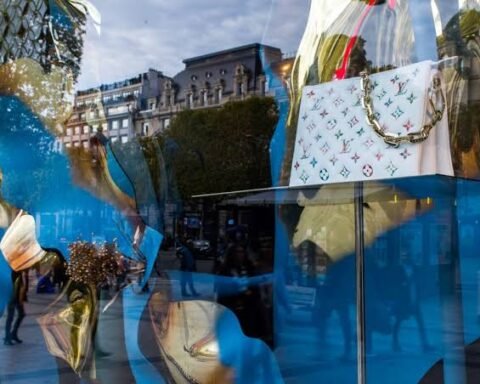
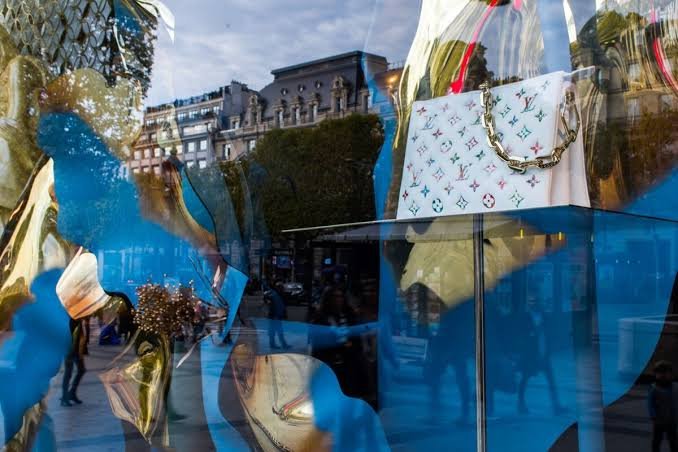
European luxury stocks are sliding to multi-year lows as weaker Chinese demand, economic uncertainty and disappointing sales results deepen concerns about the industry’s recovery. Shares in major players, including LVMH, Kering and Hermès, have suffered steep losses in 2026, putting pressure on some of the world’s most prestigious fashion houses.
Chinese Consumers Pull Back on Luxury Spending
LVMH, the parent company of Louis Vuitton and Christian Dior, along with Gucci owner Kering and independent luxury group Hermès, have been hit by a prolonged slowdown in luxury spending. LVMH and Hermès have lost roughly 40% of their share value this year, while Kering has faced particularly sharp pressure following disappointing results.
China remains a critical market for the sector, but weaker consumer confidence, falling property prices and concerns about household finances are discouraging purchases. The slowdown is affecting not only wealthy customers but also aspirational shoppers who previously stretched their budgets to buy luxury products.
The latest results have intensified concerns. LVMH reported a 5% decline in organic sales in its fashion and leather goods division for the third quarter, which includes Louis Vuitton and Dior. Overall organic revenue grew just 1% to €18.5 billion, below market expectations. Reuters reported that subdued Chinese demand was a key factor behind the shortfall.
JPMorgan analysts warned that demand in China had weakened more sharply than anticipated, raising the prospect of further pressure across the luxury sector.
Kering Faces Fresh Challenges as Gucci Struggles
Kering has come under particular scrutiny as it attempts to revive Gucci, its flagship brand. The group reported further sales declines in the third quarter, prompting a sharp fall in its shares on October 23.
The company has said it will continue its turnaround strategy under chief executive Luca de Meo while accelerating store closures. The moves reflect the scale of the challenge facing Kering as it tries to restore growth and strengthen its brands’ appeal.
The broader downturn has also affected investor sentiment toward LVMH and Hermès, with both trading near multi-year lows. The pressure highlights how even established luxury names are vulnerable when customers become more selective about discretionary spending.
Hermès Sees a Difficult Chinese Market
Hermès has also acknowledged challenging conditions in China, one of its most important markets. Company finance executive Eric du Halgouet described the environment as difficult while maintaining confidence in the region’s long-term potential.
The company has indicated that it intends to continue investing in Asia despite the slowdown. However, weaker demand and shifting spending patterns have made it harder for luxury companies to rely on the rapid growth that supported the industry in previous years.
Bernard Arnault’s Fortune Takes a Hit
The market downturn has also reduced the estimated wealth of Bernard Arnault, the billionaire chairman of LVMH. His fortune, which Forbes valued at approximately $233 billion in 2024, has since fallen to around $171 billion, according to the figures cited in the original report.
Meanwhile, LVMH-owned watchmaker Zenith has reportedly begun a consultation process that could lead to job cuts, adding to signs that luxury companies are reassessing their operations amid uncertain demand.
Goldman Sachs Sees Potential Recovery in 2027
Despite the current challenges, the outlook is not entirely bleak. Goldman Sachs Research forecasts that revenue for a group of major publicly traded luxury companies could grow by 7% in 2027, compared with an expected 6% in 2026.
Erwan Rambourg, the firm’s head of Europe Luxury and Lifestyle Research, described the projected improvement as a recovery for an industry that has endured several years of sluggish performance.
The recovery could depend on brands refreshing their creative direction, introducing more compelling products and improving the value customers perceive in their purchases. Following substantial price increases in recent years, luxury houses face pressure to give shoppers stronger reasons to spend.
One potential growth opportunity is Gucci’s exclusive beauty partnership with L’Oréal, scheduled to begin in 2027. The agreement could help expand Gucci’s reach into beauty products and diversify its revenue opportunities.
China’s Property Slump Remains a Major Risk
The recovery forecast remains vulnerable to China’s economic challenges. Falling home prices, weak consumer spending and uncertainty surrounding household wealth continue to weigh on demand for high-end goods.
Chinese authorities have announced mortgage subsidies intended to support first-time homebuyers and stimulate the housing market. However, it remains uncertain how quickly such measures could translate into stronger consumer confidence and increased luxury spending.
For investors, the key question is whether new products, management changes and improved demand can reverse the sector’s prolonged slowdown. Until sales momentum strengthens, Europe’s leading luxury brands may continue to face pressure despite expectations of a recovery in 2027.
SEO Title: Luxury Stocks Fall as LVMH, Kering and Hermès Struggle
Meta Description: Luxury stocks slide as LVMH, Kering and Hermès face weaker Chinese demand, falling sales and market uncertainty despite a forecast recovery in 2027.
URL Slug: luxury-stocks-lvmh-kering-hermes-sales-decline
Focus Keyphrase: luxury stocks
Secondary Keywords: LVMH shares, Kering stock, Hermès shares, Chinese luxury spending, luxury goods market, Gucci sales, Bernard Arnault wealth, luxury market outlook 2027
Category: Business / Markets
Tags: Luxury Stocks, LVMH, Kering, Hermès, Gucci, China Economy, Luxury Goods, Stock Market, Bernard Arnault, Goldman Sachs
Post Views: 7